Green Initiatives: How E-Waste Recycling Services Are Protecting Our Planet
E-waste poses significant threats to the environment, as discarded electronics often contain toxic materials. Such dangerous compounds can pollute soil and water supplies, causing extensive damage to surrounding ecosystems. E-waste recycling services present a viable solution. They successfully retrieve useful resources while simultaneously minimizing environmental pollution. Comprehending the operation of these services and their influence on communities is of great importance. The path to successful electronic waste management prompts vital discussions about personal accountability and communal efforts. What actions should be considered going forward?
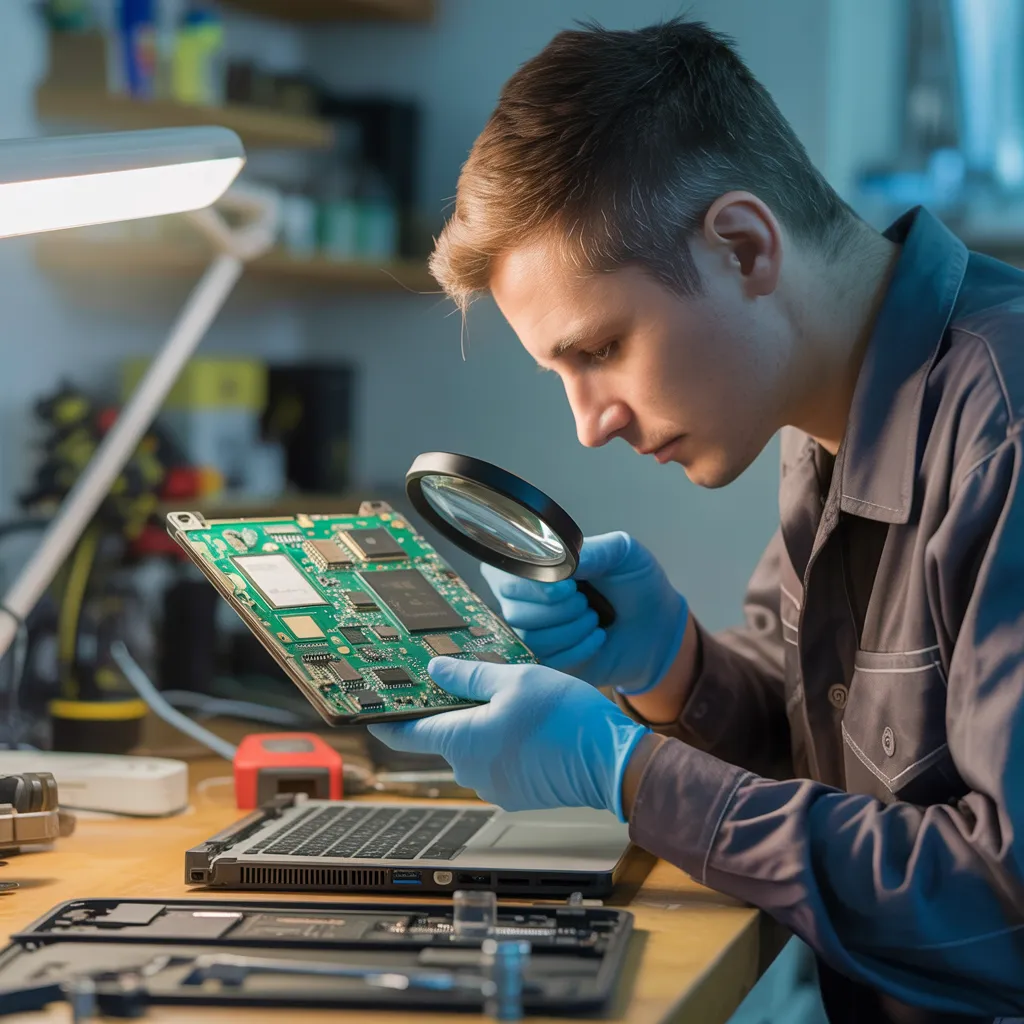
Why E-Waste Is Bad for the Planet
While technological advancements improve contemporary living, e-waste poses serious threats to the environment. Discarded electronic devices, often containing hazardous materials such as lead, mercury, and cadmium, can leach toxins into the surrounding soil and water supply, posing risks to human health and ecosystems. The rapid pace of technological advancement leads to greater consumer replacement of electronic devices, exacerbating the accumulation of electronic waste.
Landfills, already burdened with waste, struggle to accommodate the growing volumes of discarded gadgets. Incineration, a common waste management technique, emits dangerous pollutants into the environment, degrading atmospheric conditions. In addition, improper recycling practices can lead to the exportation of e-waste to developing countries, where laborers may dismantle devices without adequate safety measures, exposing themselves to dangerous substances. This pattern of negligence and mismanagement highlights the critical demand for eco-friendly recycling alternatives that can reduce the damaging impact of electronic waste on the environment.
What Is E-Waste and Its Importance?
E-waste, or electronic waste, comprises unwanted electronic equipment like computers, smartphones, and televisions that have reached the end of their useful life. This increasingly prevalent form of waste is important due to its rapid accumulation, fueled by innovation in technology and shifting consumer habits. With an increasing number of devices reaching obsolescence, the environmental impact intensifies, with dangerous elements including lead, mercury, and cadmium posing risks to ecosystems and human health.
The significance of tackling e-waste extends beyond minimizing these risks to recognizing the valuable resources it holds. Valuable metals and rare earth materials can be extracted and repurposed, lessening the demand for mining and preserving natural resources. By understanding e-waste and its implications, individuals and organizations can make informed decisions about disposal and recycling, ultimately contributing to a more sustainable future. Effective handling of e-waste is vital for encouraging a circular economy and advancing environmental responsibility.
The Way E-Waste Recycling Functions
E-waste recycling entails an organized procedure intended to extract beneficial components while limiting ecological damage. To begin, e-waste is collected and transported to purpose-built recycling plants. After reaching the facility, the electronics are carefully categorized to isolate dangerous parts from recoverable materials.
Following this, employees break down the devices, recovering glass, metals, and plastics. This step is critical, as it facilitates the recovery of valuable metals like gold, silver, and copper, which are repurposed in modern electronics.
Subsequently, the isolated materials are refined using state-of-the-art techniques, such as shredding and chemical treatments, to refine them for further use.
Ultimately, the leftover hazardous waste is handled with responsibility, adhering to eco-friendly standards. This multi-step approach not only preserves valuable resources but also minimizes the hazards connected to irresponsible electronic waste disposal, guaranteeing a greener future for electronic consumption.
The Benefits of E-Waste Recycling for You and Your Community
While many individuals may not realize it, the benefits of e-waste recycling go far beyond individual benefit and actively shape entire communities. By responsibly disposing of electronic waste, individuals help foster a healthier environment, reducing hazardous materials that can seep into soil and water. This responsible method works to protect local ecosystems and promotes public health.
Furthermore, the recycling of e-waste encourages the creation of jobs in communities. Local recycling facilities often require personnel for various operations, from collection to processing, consequently creating meaningful employment for community members. This not only strengthens the regional economy but also encourages community engagement in sustainable practices.
Moreover, awareness of e-waste recycling is capable of inspiring community outreach programs, empowering residents to pursue greener alternatives. By taking part in e-waste recycling programs, individuals cultivate a culture of sustainability, prompting others to follow suit. Overall, the shared impact of these actions can lead to a more robust and eco-friendly community.
How to Choose an E-Waste Recycling Service
Selecting the right e-waste disposal service is vital for ensuring that electronic waste is processed responsibly and sustainably. To begin, individuals should check the company's certifications, such as R2 and e-Stewards certifications, which signify adherence to professional guidelines for safe recycling practices. Additionally, it is advisable to examine the organization's reputation by reading customer reviews and obtaining recommendations from trusted sources.
Next, openness in the recycling process is crucial. A trustworthy provider should offer detailed insights about the way e-waste is handled and what happens to the materials. Furthermore, evaluating the range of services offered can be beneficial; certain providers may offer collection services or present rewards for recycling.
Finally, being aware of area-specific requirements for e-waste disposal can help inform the decision-making process. Through focusing on these key aspects, people are able to support responsible e-waste disposal while supporting environmentally responsible practices.
How You Can Take Part in E-Waste Recycling?
Getting involved with e-waste recycling often starts at the local level, where local recycling facilities frequently offer essential services for responsible disposal. Additionally, joining community awareness campaigns can amplify efforts to educate others about the importance of proper e-waste handling. These actions not only promote sustainability but also cultivate a collective sense of stewardship of the environment.
Local Recycling Centers
Numerous neighborhood recycling stations fulfill a critical purpose in the recycling of e-waste, providing communities with accessible options to manage electronic waste appropriately. These centers accept a variety of electronic items, including used computers, handheld devices, and televisions, guaranteeing that dangerous substances are processed safely. Many hubs feature trained staff who are able to assist individuals with correct disposal techniques, highlighting the value of recycling rather than landfilling. In addition, many centers offer organized drop-off opportunities or appointed collection periods, enabling residents to Browse all engage without difficulty. By taking advantage of these neighborhood resources, residents support a circular economy, minimizing ecological impact and fostering sustainable behaviors. Connecting with these stations allows communities to address e-waste pollution proactively.
Community Awareness Campaigns
Nearby organizations, schools, and enterprises can work together to organize events that support e-waste collection drives. Community members can serve a critical function in spreading awareness, distributing educational materials, and engaging with the community. As a result of these combined actions, residents become more informed and motivated to recycle their electronic waste, ultimately contributing to a more sustainable future.
Frequently Asked Questions
What Kinds of Electronics Can Be Recycled?
A wide range of electronics are able to be recycled, including laptops, televisions, smartphones, printers, computers, and gaming consoles. Additionally, ancillary devices such as batteries, keyboards, and mice are equally appropriate for recycling, aiding in eco-friendly conservation initiatives.
Are There Fees Involved With E-Waste Recycling?
That's correct, e-waste recycling may involve charges, depending on the service provider. Some service centers charge fees for gathering or treatment, while some providers make services available at no charge, typically funded by the resale of recovered materials.
How Do Businesses Gain From E-Waste Recycling?
Businesses can benefit from e-waste recycling by reducing disposal costs, improving their green reputation, adhering to regulatory requirements, recovering valuable materials, and potentially generating revenue through resale, ultimately contributing to a more sustainable operational strategy.
What Becomes of Data on Recycled Devices?
Data from recycled electronics is frequently completely removed or obliterated during the refurbishment process. This guarantees sensitive information is kept safe, stopping improper access while permitting components to be reused securely and sustainably across new manufacturing processes.
Are Broken Electronics Eligible for Recycling?
Indeed, defective electronics are able to be recycled. Many facilities receive broken devices, providing safe disposal and retrieval of recoverable materials. This effort helps minimize the environmental footprint while promoting sustainable recycling habits to manage electronic waste properly.